

Slingshot Bio
Roboto converged Slingshot Bio's WordPress and Shopify sites into one headless Shopify build on Next.js and Sanity, instrumented end to end and AI-ready.
View case study
The process
First we check the existing Ghost and see whether the data is clean enough to move straight over to Sanity, and plan around any auth walls or bot protection in the way.
Then we work out how Ghost renders its pages and pull the content out, even without CMS access.
Everything extracted runs through our sanitization pipeline, which flags slop, normalizes structure, and leaves us clean content to work with.
Before anything moves, we agree the Sanity content model with you, shaped around how your editors actually work.
We transform the content to the agreed schema and run a full dry run, so mappings and edge cases prove out before production.
Once the dry run is clean, everything moves into Sanity in one controlled cutover.
Every old URL gets mapped to its new home with the right redirect, so rankings and link equity survive the move.
Finally, automated browsers sweep the new site for data issues, design regressions, and missing SEO signals.
Key pain points
Ghost is great until you need it to do anything more than "post blog, send newsletter, and beg readers for $5/month." The moment you step outside that happy path, the whole thing starts feeling painfully bare-bones. There’s no real visual builder, no serious content modeling, and the plugin ecosystem is basically "good luck, build it yourself."
Hosted plans get expensive fast once memberships grow, and self-hosting turns into a weekend-killing DevOps hobby nobody asked for. If you need anything beyond a clean blog with a paywall, Ghost will politely tap out and tell you to write less ambitious content.

Blogging-centric feature set
Ghost is brilliant for blogs… and very "meh" for anything else. If you need complex content models, workflows, or enterprise-level flexibility, you’ll hit a wall quickly.
Sparse plugin marketplace
There’s no real ecosystem to lean on. Anything outside the basics usually means rolling up your sleeves and writing code yourself.
No visual page builder
If you were hoping to drag, drop, and magically design pages, Ghost politely says "no." Everything beyond basic layouts needs theme edits.
Custom coding required
Even simple enhancements often require Handlebars or API work. Non-technical teams will run out of road fast.
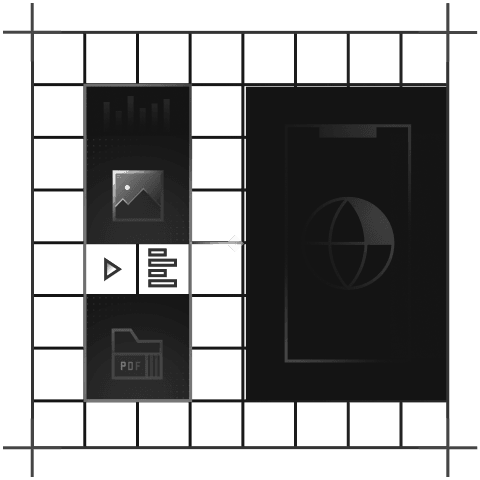
Limited content modeling
You get posts and pages, that’s pretty much the deal. Anything beyond that is a workaround, not a first-class feature.
Lacks multi-site support
Running multiple sites under one instance isn’t Ghost’s thing. If you’re scaling across regions or brands, you’ll feel boxed in.
Key advantages
You know where our bias' lies. We think Sanity is literally the best headless content management out there. The schema is code-based, so it can be easily versioned, scaled, and extended without a heap of third-party hoops to jump. Providing you build it with a solid foundation, which we always recommend Turbo Start Sanity, it's going to be the most valuable hub for content you can imagine.
It's got a very unique tooling called the Live Content API, which in simple terms means
when you press publish, its live.
No issues with caching, and a single API usage that scales perfectly with multichannel content delivery.
It also offers one of the best editorial experiences in the industry with Presentation and customizable content structures. We're obviously huge fans of it, and we've pivoted our business with it when we realized how ahead it is.
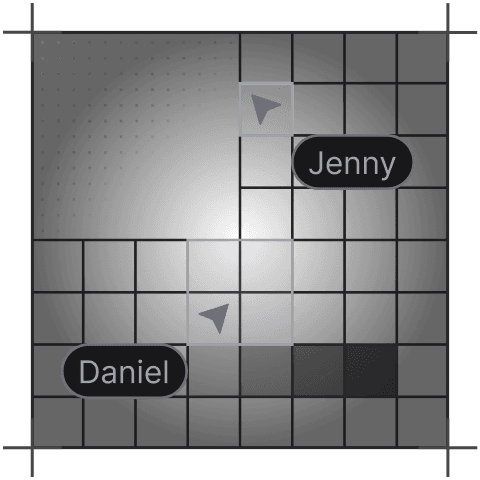
Real time collaboration
You write, your teammate tags in, adds citations, and updates the same doc without stepping on each other. It’s the fastest way to ship content without the "who has edit access?" chaos.
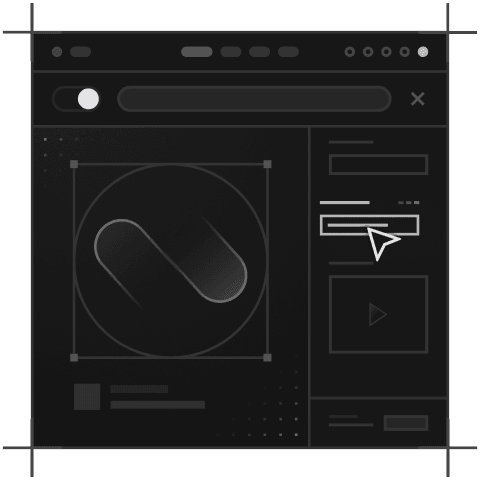
Live preview block building
With Sanity, you don’t have to guess what your page might look like. Real-time previews update the moment you type. It’s a 1:1 mirror of your site before it ever goes live, so your campaigns look right the first time.
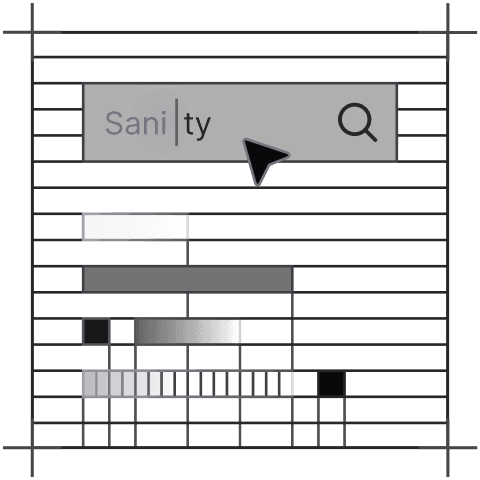
Meta tags, structured content
Sanity’s structured content gives Google clean data and rich schema, so your pages surface higher without manual hacking. Automated schema, smarter metadata, and better rankings.
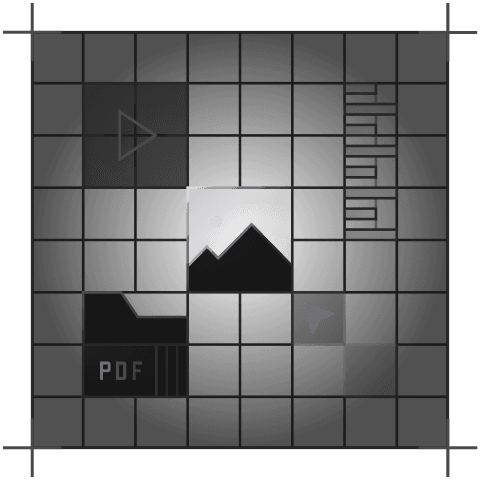
Better media management
A blazing-fast media library with first-class support for Cloudinary, Mux, Wistia and more. Upload, drag-and-drop, preview without wrestling with assets, and waiting for spins of doom.
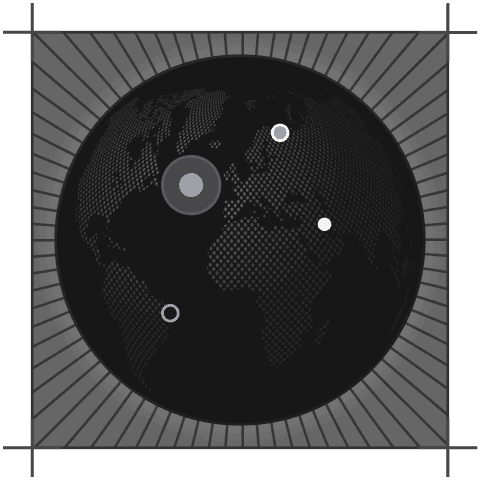
Automated social sharing
Ever wanted to share one update, and automatically populate every social platform? Welcome to the future we've built that. Why should social media be a chore.
Automated image generation
Sanity keeps your subject centered and sharp like a tiny author thumbnail or a full-page hero banner. There are no awkward crops, or chopped heads. Your visuals just look right everywhere.
The migration is step one. Our Sanity team handles what comes after: builds, integrations and the content model work that keeps the new platform clean.
Sanity development agencyTell us what you're building. We reply within one working day. Jono or someone on the team picks up every message personally.
Join the growing list of successful migrations