Slingshot Bio
Roboto converged Slingshot Bio's WordPress and Shopify sites into one headless Shopify build on Next.js and Sanity, instrumented end to end and AI-ready.
View case study


From Craft CMS to Kontent.ai
Last verified:
The process
First we check the existing Craft CMS and see whether the data is clean enough to move straight over to Kontent.ai, and plan around any auth walls or bot protection in the way.
Then we work out how Craft CMS renders its pages and pull the content out, even without CMS access.
Everything extracted runs through our sanitization pipeline, which flags slop, normalizes structure, and leaves us clean content to work with.
Before anything moves, we agree the Kontent.ai content model with you, shaped around how your editors actually work.
We transform the content to the agreed schema and run a full dry run, so mappings and edge cases prove out before production.
Once the dry run is clean, everything moves into Kontent.ai in one controlled cutover.
Every old URL gets mapped to its new home with the right redirect, so rankings and link equity survive the move.
Finally, automated browsers sweep the new site for data issues, design regressions, and missing SEO signals.
Key pain points
The elephant in the room is PHP. Craft requires a traditional LAMP-style hosting setup with PHP 8.2+ and MySQL or Postgres, which immediately rules out the serverless and edge-first hosting that modern JavaScript frameworks thrive on. You're managing servers, configuring OPcache, tuning database connections, and dealing with all the operational overhead that comes with self-hosted PHP applications. For teams already working in the JavaScript ecosystem, this is a hard sell.
Major version upgrades are genuinely painful. Craft doesn't support skipping major versions, so migrating from Craft 2 to 5 means stepping through every version in between. Each jump brings breaking changes to Twig templates, PHP requirements, and plugin compatibility. We've seen agencies spend weeks on upgrades that should have been straightforward. The Team tier starts at $279 per project and the Pro tier costs $399, plus $99 annual renewals for both. A free Solo tier exists for single-user projects, but costs still add up for agencies, especially when you factor in plugins and the recent trend toward stricter license enforcement in the control panel.
The community, while passionate, is relatively small compared to WordPress or even newer headless CMS platforms. When you hit an edge case or need help with a niche plugin, you may find yourself digging through GitHub issues rather than finding a ready answer. And while Craft Cloud exists as a managed hosting option, it's still maturing and doesn't yet match the deployment experience you'd get with platforms like Vercel or Netlify.
PHP hosting requirements
You need a traditional server with PHP 8.2+, MySQL or Postgres, and proper configuration. No serverless, no edge deployment, no modern hosting shortcuts.

Painful major version upgrades
You can't skip major versions, so upgrades mean stepping through each release with breaking Twig, PHP, and plugin changes along the way.
Smaller community and ecosystem
The community is dedicated but small. Finding answers to niche problems often means digging through GitHub issues or waiting on forum responses.
License costs add up
The Team tier is $279 per project and Pro is $399, both with $99 annual renewals, plus paid plugins on top. A free Solo tier exists for single-user projects, but costs add up quickly for agencies managing multiple client sites.
Learning curve for non-developers
Craft assumes your team includes developers. Content editors coming from WordPress or simpler tools will need time to adjust to the more structured interface.
Twig templating limitations
Twig is clean but limited compared to modern component frameworks. Complex UI logic gets awkward, and you're locked into whatever Twig version Craft supports.
Key advantages
Calling your CMS "Kontent dot ai" is a brilliant way to convince people you’ve built an AI-powered future. And to be fair, the platform does have a clean editor, strong workflow tools, and a respectable multi-channel setup.
It's perfect for the kind of company that has more infosec members than it does have devs. But calling yourself an AI platform doesn’t mean you’re built like one.
Real AI-driven CMS platforms start at the foundation with structured content, flexible modeling, real-time indexing, and an architecture that doesn’t panic the moment you try something complex. Sanity doesn’t even market itself as "AI-first," but it’s been ahead of the curve for years. They shipped an embedding index before "AI CMS" was a pitch deck buzzword. We even built one of the first AI search tools on top of it.
So yes, Kontent.ai is great. If you want a polished interface and enterprise workflows, go for it. And if you’re dead-set on building your website there, talk to us first. We’ll walk you through it and maybe even find a better way before you spend six months discovering the limits yourself.
Intuitive content management
You shouldn’t need a week of onboarding to publish a paragraph. Kontent.ai nails this with a clean interface that doesn’t punish you for being a marketer instead of a developer.
Flexible content modeling
Build content the way your brain works. Modular, structured, reusable. No dev intervention every time marketing decides "we need one more field."
Strong API-first architecture
The APIs are predictable, well-documented, and don’t require wild workarounds. Everything connects the way it should and developers stay happy too.
Tech stack integration
React, Vue, Angular, or whatever framework you’re obsessed with this week, Kontent.ai plays nice with all of them and keeps deployments smooth.
Advanced image transformations
You can resize, crop, and optimize visuals without leaving the CMS. Think of it as an in-house designer that doesn’t complain about aspect ratios.
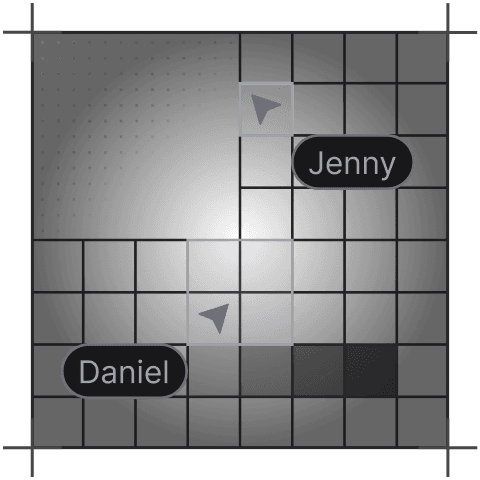
Real-time collaboration
Writers, editors, and developers can work together without stepping on each other’s commits. Instant updates, fewer Slack messages, and zero "who overwrote my draft?" moments.
Tell us what you're building. We reply within one working day. Jono or someone on the team picks up every message personally.
Join the growing list of successful migrations