
Slingshot Bio
Roboto converged Slingshot Bio's WordPress and Shopify sites into one headless Shopify build on Next.js and Sanity, instrumented end to end and AI-ready.
View case study


From Adobe Experience Manager to Joomla
Last verified:
The process
First we check the existing Adobe Experience Manager and see whether the data is clean enough to move straight over to Joomla, and plan around any auth walls or bot protection in the way.
Then we work out how Adobe Experience Manager renders its pages and pull the content out, even without CMS access.
Everything extracted runs through our sanitization pipeline, which flags slop, normalizes structure, and leaves us clean content to work with.
Before anything moves, we agree the Joomla content model with you, shaped around how your editors actually work.
We transform the content to the agreed schema and run a full dry run, so mappings and edge cases prove out before production.
Once the dry run is clean, everything moves into Joomla in one controlled cutover.
Every old URL gets mapped to its new home with the right redirect, so rankings and link equity survive the move.
Finally, automated browsers sweep the new site for data issues, design regressions, and missing SEO signals.
Key pain points
AEM’s biggest flaw is simple: everything about it is expensive. The license, the hosting, the maintenance, the consultants, the upgrades, and the people required to even use it. The learning curve is a cliff, implementation cycles move at glacial speed, and the UI feels like punishment for asking to edit content. Performance tanks the moment you customize anything, and collaboration is basically "email the PDF and pray." If you ever see the word specialized in an AEM context, just assume the invoice comes with an extra zero.
It’s the definition of a heavyweight DXP built for organizations with more bureaucracy than sense. For everyone else, it becomes a slow-moving, over-engineered system that requires Adobe-certified babysitters just to stay alive. If you’re considering scrapping it for something faster, saner, and built this decade, we can help you migrate without dragging the AEM baggage along for the ride.

High complexity and cost
AEM is one of the most expensive CMS/DEXP platforms on the market, with licensing, hosting, and maintenance costs that only make sense for very large enterprises.

Steep learning curve
The platform is dense and requires specialized training just to perform routine tasks. Most teams can’t operate it without dedicated experts.
Prolonged implementation periods
Even simple projects take months. Rollouts, upgrades, and workflow changes move slowly and require careful planning to avoid breaking things.
Challenging navigation of capabilities
AEM packs in a huge feature set, but finding and configuring what you actually need can feel like wading through molasses.
Necessary reliance on Adobe partners
You’re essentially forced into using Adobe-certified agencies or consultants for setup, maintenance, and troubleshooting and they don’t come cheap.
Not ideal for smaller companies
The cost, complexity, and operational overhead make AEM a poor fit for startups or mid-sized teams. Most will drown in it long before they benefit from it.
Key advantages
Recommending Joomla in 2026 feels a bit like recommending Internet Explorer. But if you must use it, it does earn a few real points. The multilingual support is built in, so you run a five-language site without a pile of plugins. The access-control system is more detailed than most enterprise platforms, and the modular structure gives developers room to build complex, multi-section sites. If you have a big editorial team that needs genuinely granular permissions, Joomla holds up.
If you are set on Joomla and we cannot talk you out of it, we will point you to an agency that still happily ships heavy old templates. Or sit down with us for half an hour, and we will at least make sure you do not regret the journey.
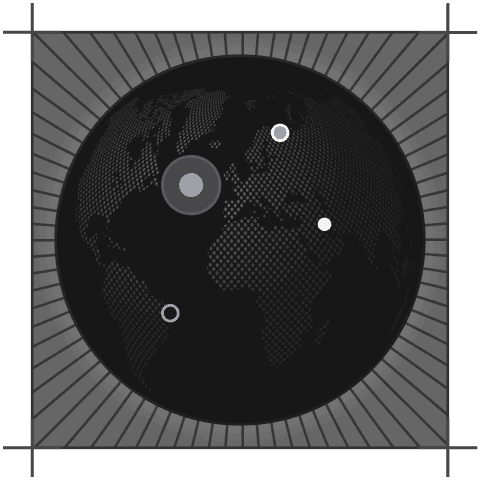
Native multilingual support
Joomla ships with multilingual features baked in, so you don’t need a plugin graveyard just to run a site in five languages. It handles translations cleanly and is one of the few CMS platforms that gets this right out of the box.
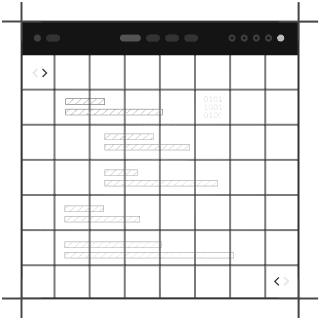
Granular user permission system
Its ACL system is its biggest bragging right. You can lock down roles, workflows, and access rules with a level of control that most CMS platforms still envy.
Custom field capabilities
Joomla gives you solid flexibility with custom fields, letting you shape structured content without hacking together a dozen extensions. It’s powerful enough for complex layouts and multi-section content.
Active developer community
The community isn’t massive, but the people who are there are dedicated, technical, and still shipping useful extensions and documentation. If you're deep in Joomla land, it’s a lifeline.
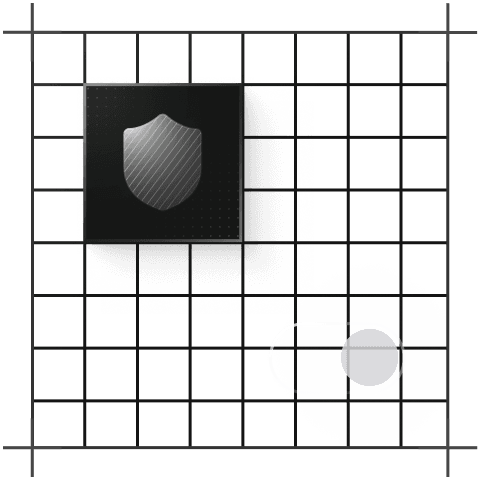
Strong security foundation
Kept patched, Joomla is stable and the core team takes security seriously, with regular updates. The catch is the "kept patched" part. The 2026 JCE editor exploit hit sites that fell behind, so the upkeep is on you.
Modular architecture flexibility
Its module-based layout system lets you build multi-section portals, dashboards, and content-heavy sites without bending the platform backward. If you know what you're doing, it’s flexible enough to scale.
Tell us what you're building. We reply within one working day. Jono or someone on the team picks up every message personally.
Join the growing list of successful migrations